
Winter Driving Tips, Traction Devices, Avoiding Falls, and More Winter Safety Tips
December 19, 2025 – Lakewood, CO — While Encore Electric teams live and work in beautiful states, the winters can be a challenging time, especially when working on a project site. These winter safety tips focus on winter driving, traction devices, avoiding slips, trips, and falls, and how to prevent cold stress.
Here are some winter safety tips:
Winter Driving Tips: Now that the snow is ongoing, it’s important to make sure your car is ready for the winter too.
- Check your tires. Ensure your tires have enough tread and are properly inflated.
- Pack winter gear in your car. It’s a good idea to keep warm clothes, a flashlight, blankets, and extra food and water in your car during the winter season in case of an emergency.
- Drive slowly. When driving on snow or ice, plan on your commute taking longer than usual. Leave early to avoid feeling rushed during your drive.
- Accelerate and decelerate slowly. By quickly speeding up or slowing down, you are more likely to slide on ice and lose control. Remember – it takes longer to slow down on icy roads.
- Increase your following distance. Leave five to six seconds between you and the car in front of you.
Read more winter driving tips by visiting AAA Exchange.
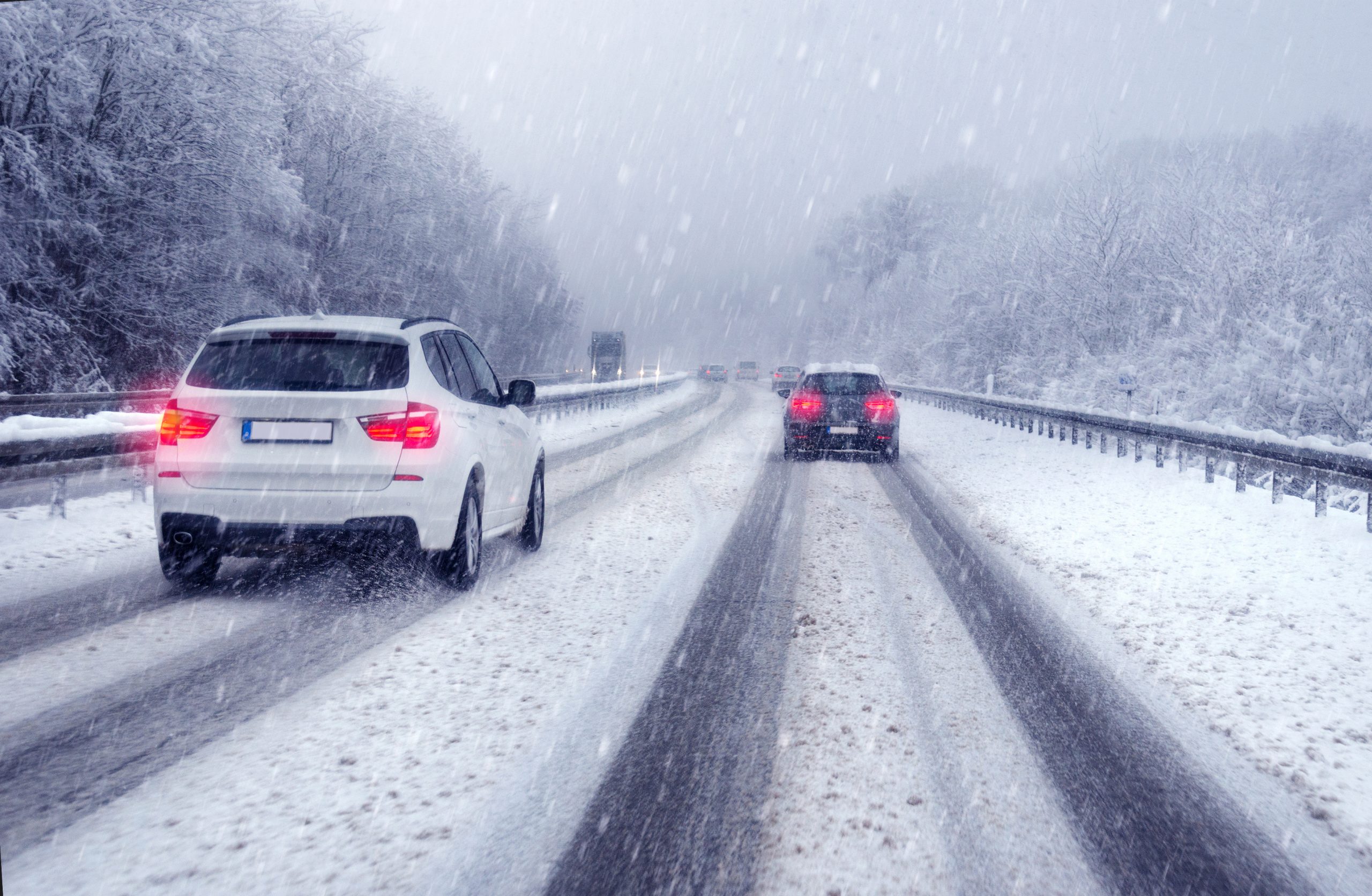
Photo credit: Adobe Stock image by Petair (Extended License)
Avoiding Slips, Trips, and Falls: The snow can make for slippery walkways and icy steps. To avoid slips, trips, and falls, use designated walking paths only. Whether you’re walking through a busy project site or walking through the parking lot to your car, it’s important to use the designated walking paths that have been cleared. If you see ice, let project leadership or the safety team know as soon as possible.
Learn more about how to avoid slips, trips, and falls here.
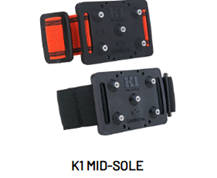
Traction Devices: Another winter safety tip is wearing traction control footwear or ice cleats to reduce the risk of slipping on untreated surfaces. The Encore Electric safety team offers K-1 Mid-Sole Cleats, which provide added grip and stability.
Teammates receive K-1 Mid-Sole Cleats during orientation but reach out to your field leadership or contact the Encore Electric safety team if you need new traction cleats.
Working in Cold Weather: Working in cold environments can lead to “cold stress,” which happens when your body can’t maintain its normal temperature and loses heat faster than it can replace it. If you don’t address cold stress, it can lead to hypothermia, frostbite, and trench foot.
Read the winter safety tips below to learn how to prevent and avoid cold stress:
- Dress properly. In addition to full Personal Protective Equipment (PPE), in the winter you should dress in layers and keep your head warm by wearing a hat.
- Keep an eye out for your teammates. Monitor your physical condition and others around you and know the symptoms of cold stress (reddening skin, tingling pain, swelling, leg cramps, numbness, and blisters). If you or someone on your team is showing cold stress symptoms, add an additional layer or take a moment to warm up.
- Stay dry. The likeliness of experiencing frostbite or cold stress dramatically goes up if your clothing is wet. Keep dry clothes in your car just in case your clothing gets wet.
- Drink warm liquids. Drinking coffee, tea, or another warm beverage can help you stay warm during cold days.
Get more tips for working in the cold weather by visiting OSHA’s Winter Weather Guide.
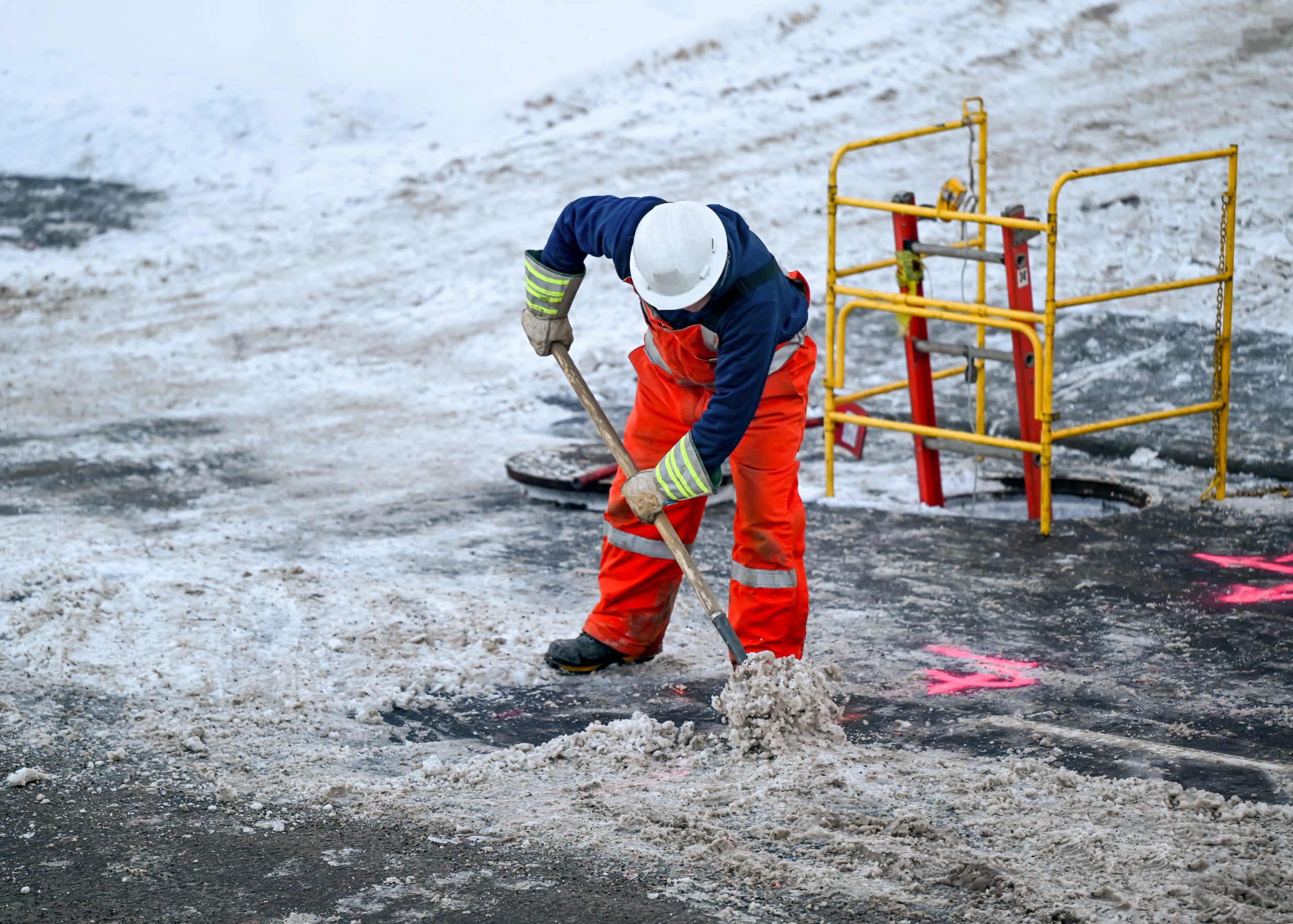
Photo credit: Adobe Stock image by Brett (Extended License)

Photo credit: Adobe Stock image by Alla (Extended License)