Annual OSHA Refresher Safety Meeting
Emergency Action Plan (EAP) and Employee Training Requirements
Applicable OSHA Standards: 29 CFR 1926.35 and 29 CFR 1910.38
Why This Matters
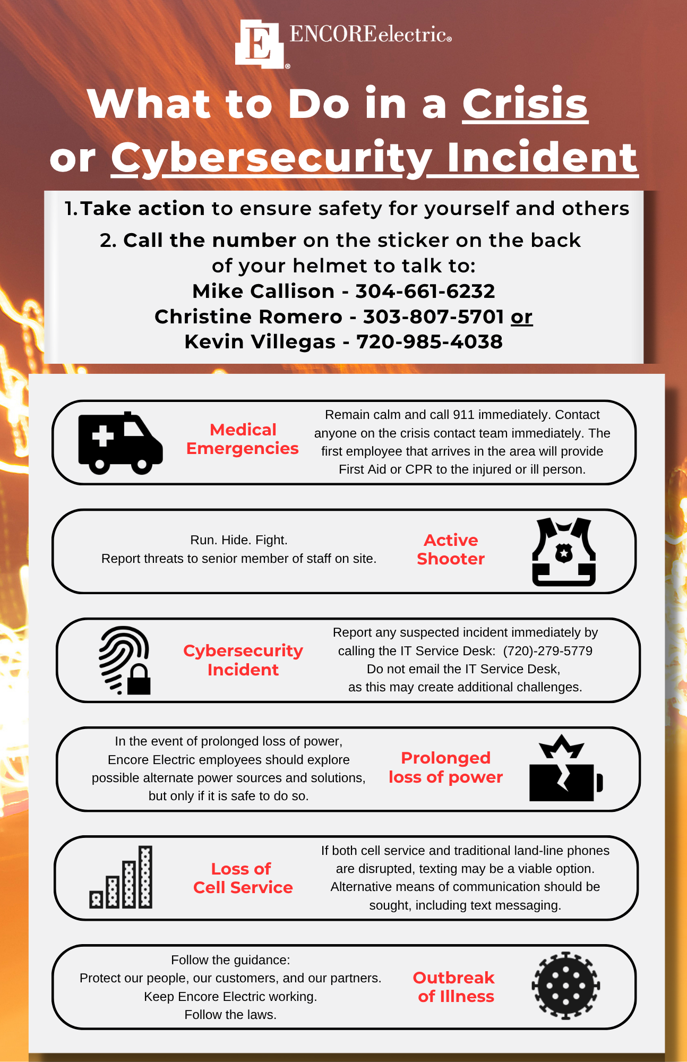
Emergencies on construction sites can happen without warning. Whether the issue is a fire, medical event, severe weather, chemical release, gas leak, or evacuation order, the actions taken in the first few minutes can determine whether everyone gets out safely.
Construction sites change constantly. Access routes, work areas, materials, and personnel can differ from day to day. Because of those changes, every employee must understand the site’s Emergency Action Plan (EAP) and know exactly what to do if an emergency occurs.
The goal of this discussion is straightforward: every employee should know how to report an emergency, where to go, and how to account for themselves and their coworkers during an evacuation.
What Is an Emergency Action Plan?
An Emergency Action Plan (EAP) is the site’s written procedure for responding to emergencies. It explains how employees will be notified, evacuated, accounted for, and protected during an emergency event.
The EAP is not just a document kept in the trailer. It is a plan every employee must understand and be prepared to follow.
Common Emergencies on Construction Sites
Discussion prompt:
What emergencies could happen on this project?
Examples include:
- Fire or smoke conditions
- Medical emergencies or serious injuries
- Severe weather (lightning, tornadoes, high winds)
- Chemical spills or releases
- Gas leaks
- Structural failures
- Utility strikes
- Active threat situations
- Evacuation orders from site management or emergency responders
Each of these situations requires a prompt, organized response.
What Every Employee Must Know
Every person on this jobsite should be able to answer these questions:
- How do I report an emergency?
- Who do I contact first?
- Where is the primary evacuation route?
- What is the secondary evacuation route if the primary route is blocked?
- Where is the designated assembly point?
- Who is responsible for accounting for personnel?
- What should I do if I discover a fire, injured worker, or hazardous release?
If you cannot answer any of these questions today, speak with your supervisor immediately.
Employee Expectations During an Emergency
If an emergency occurs, employees are expected to:
- Remain calm and avoid creating panic.
- Stop work immediately when directed.
- Follow the designated evacuation route.
- Proceed directly to the assembly area.
- Report to the designated supervisor or assembly point leader.
- Notify leadership of any missing personnel.
- Do not leave the assembly area until accountability has been completed.
- Do not re-enter the work area until authorized by site leadership or emergency responders.
Remember: Accountability is critical. Emergency responders need accurate information about who may still be inside the affected area.
Fire Response
One of the most important decisions during a fire emergency is knowing when to evacuate.
Employees are not expected to fight fires unless they have been specifically trained and authorized to do so.
If a fire is discovered, employees should:
- Notify others in the area.
- Activate emergency notification procedures.
- Evacuate if the fire cannot be safely controlled.
- Proceed to the assembly point.
No piece of equipment, tool, or material is worth risking your life.
Medical Emergencies
If a serious injury occurs, employees should:
- Contact emergency services and follow site notification procedures.
- Provide clear information about the location and nature of the injury.
- Do not move injured personnel unless there is an immediate life-threatening hazard.
- Direct emergency responders to the injured worker’s location.
Time and clear communication are critical during medical emergencies.
Severe Weather
Severe weather can develop quickly and requires a timely response.
Discuss with the crew:
- What is our severe weather notification process?
- Where are designated shelter locations?
- Who makes the decision to stop work and seek shelter?
Everyone should understand where to go and how they will be notified when severe weather threatens the project.
Discussion Questions
Ask the crew:
- Where is our assembly point?
- What is our backup evacuation route?
- How would you report a fire on this site?
- Who is responsible for accountability after an evacuation?
- What should you do if you discover an injured worker?
- What site-specific emergencies are most likely on this project?
Key Takeaways
- Every project must have a site-specific Emergency Action Plan.
- Every employee must know how to report emergencies and evacuate safely.
- Know your primary and secondary evacuation routes.
- Know the designated assembly area.
- Accountability after evacuation is essential.
- Never re-enter an evacuated area until authorized.
- Emergency plans only work when everyone understands and follows them.
Remember: In an emergency, the goal is not to save equipment or production. The goal is to ensure every employee is accounted for and goes home safely.