
Scaffold Safety
Applicable Standard: 29 CFR 1926.454
This guidance covers key scaffold hazards, proper erection and dismantling practices, load capacity, material handling, inspections, and safe use requirements.
1. Identify Scaffold Hazards
Before using any scaffold, workers must be able to identify the primary hazards associated with scaffold work.
- Falls from height due to missing guardrails or improper planking
- Scaffold collapse from overloading or improper assembly
- Falling objects from above (tools, materials, debris)
- Electrocution from proximity to energized power lines
- Slips/trips from ice, mud, or cluttered platforms
2. Follow Proper Erection Procedures
Only trained and competent personnel may erect, alter, move, or dismantle scaffolds.
- A competent person must supervise erection
- Ensure base plates, mud sills, and leveling jacks are properly installed
- Install bracing, ties, and cross-braces per manufacturer specs
- Use full-deck planking with no gaps greater than 1 inch
- Maintain required clearances from electrical hazards
3. Maintain Structural Stability
Scaffolds must remain stable during use and when site or weather conditions change.
- Keep platforms fully planked and secured
- Maintain proper tie-ins to the structure at required intervals
- Do not remove braces or components unless authorized
- Protect from high winds, storms, or heavy vibration
4. Disassemble Safely
Dismantling must follow a controlled sequence to maintain stability and prevent collapse.
- Remove materials and debris before disassembly
- Dismantle from the top down, maintaining stability at each stage
- Keep fall protection in place until the last platform is removed
- Never drop components—lower them with ropes or mechanical means
5. Respect Maximum Intended Load
Overloading is a leading cause of scaffold failure and must be prevented at all times.
- Know the scaffold maximum intended load and capacity rating (light, medium, heavy duty)
- Include workers, tools, equipment, and stored materials in load calculations
- Never exceed manufacturer or engineered load limits
- Avoid concentrating loads on single planks
6. Handle Materials Properly
Poor material handling can create struck-by hazards, overload platforms, and reduce scaffold stability.
- Keep materials organized and away from platform edges
- Use toe boards, debris nets, or canopies when required
- Hoist materials using rope, mechanical lifts, or designated loading areas
- Never throw or drop materials from height
7. Inspect Before Each Shift
A competent person must inspect each scaffold before every shift and after any event that could affect its safety.
- Check planks for cracks, splits, or defects
- Verify guardrails, mid rails, and toe boards are installed
- Inspect connections, braces, and locking pins
- Look for settling, shifting, or damaged base supports
- Tag scaffold as Safe for Use, Restricted, or Do Not Use
8. Use Scaffolds Correctly
Safe scaffold use helps prevent falls, collapses, struck-by incidents, and other serious hazards.
- Always use ladders or built-in access—never climb cross-braces
- Keep platforms clear of clutter, ice, mud, and trip hazards
- Maintain three points of contact when climbing
- Wear fall protection when required by height or manufacturer
- Never move a mobile scaffold while occupied
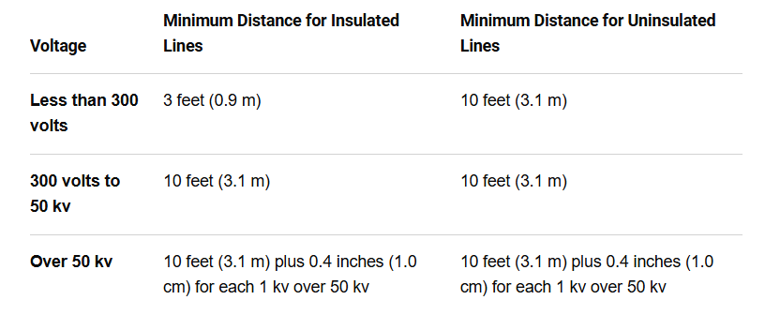
Power Line Clearance Requirement
OSHA Reference: 1926.451(f)(6)
Scaffolds must not be erected, used, dismantled, altered, or moved if doing so would allow the scaffold—or any conductive material on it—to come closer to exposed energized power lines than OSHA clearance requirements allow.
Crew Takeaways
- Never use a scaffold that is untagged or marked Do Not Use
- Never modify or remove components without authorization
- Always stay within load limits and keep platforms fully planked
- Always maintain fall protection and falling-object controls
- Keep scaffolds and conductive materials away from energized power lines.